
BOARD ELECTION CANDIDATES
The Open Education Conference has launched a community election process to select six new members for the Board of Directors, who will serve two-year terms starting in January 2026.
Voting will open Monday, December 1st and close Friday, December 5th.
For information about how to vote, please visit the Election FAQ page.
CANDIDATE PROFILES
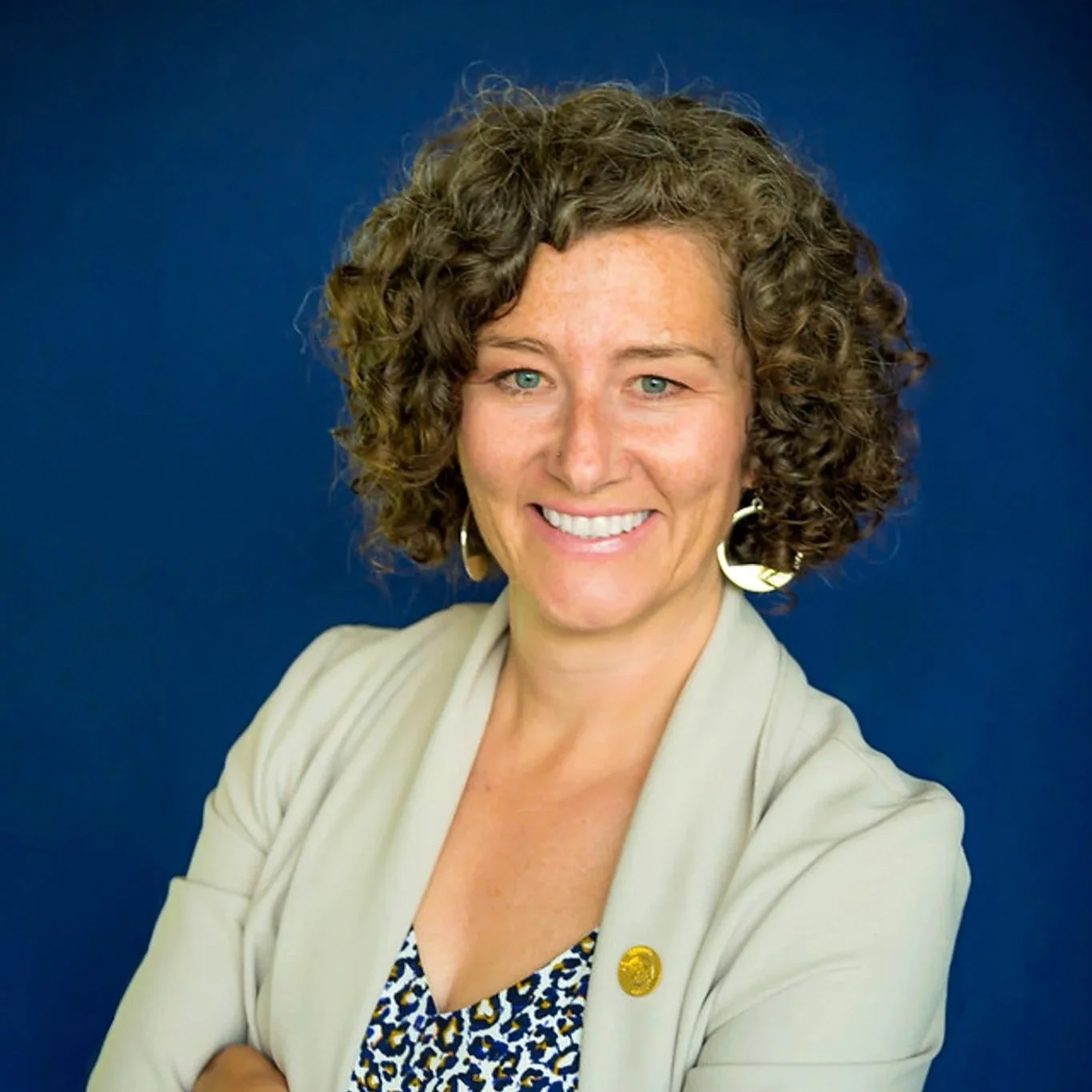
Amanda Coolidge
Principal/Founder, Coolidge Collaborative, Inc. (British Columbia, Canada)
Briefly describe your background and the perspectives, skills and experiences (lived or professional) you would bring to the Open Education Conference Board of Directors.
I bring over a decade of leadership in open education, including as former Executive Director of BCcampus and now as Founder of Coolidge Collaborative. My work spans strategy, research, and facilitation for equity-centered, sustainable open education systems. Having led provincial and international initiatives, I offer a systems perspective, collaborative approach, and deep commitment to equity, accessibility, and community building in open education.
Why are you interested in serving on the Open Education Conference Board of Directors, and what makes you a strong candidate?
I’m passionate about shaping the future of open education and strengthening the global community that sustains it. Serving on the Advisory Board would allow me to contribute my experience in collaborative leadership, strategic planning, and community building to support a vibrant, inclusive conference. With over a decade of leading open education initiatives in Canada and internationally, I bring deep sector knowledge, a systems perspective, and a commitment to equity and sustainability.
How do you envision the future of the Open Education Conference?
I envision the OE Conference as a dynamic, inclusive space that bridges research, practice, and policy to advance equitable access to knowledge worldwide. Its future lies in fostering deeper collaboration across sectors, amplifying diverse and underrepresented voices, and exploring intersections with technology, AI, and social justice. I see it evolving as both a global convening and a year-round community hub that nurtures innovation, belonging, and collective action in open education.
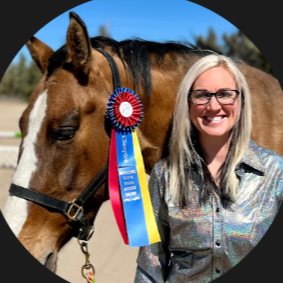
Amanda Miller
Adjunct Professor, Central Oregon Community College & Boise State University (Oregon, USA)
Briefly describe your background and the perspectives, skills and experiences (lived or professional) you would bring to the Open Education Conference Board of Directors.
As both an educator (adjunct for six years) and a recent PhD student, I've experienced firsthand the devastating barriers textbook costs create. I am a passionate OER advocate committed to eliminating financial obstacles that prevent students from accessing quality education. My cross-sector professional expertise enables effective board service, while my lived experience drives my determination to expand OER adoption and ensure every learner has equitable access to educational resources.
Why are you interested in serving on the Open Education Conference Board of Directors, and what makes you a strong candidate?
My drive stems from that I've lived both sides of the textbook cost crisis, as an educator and as a recent student experiencing it myself. This dual perspective fuels my passionate commitment to OER advocacy. My private/public sector experience gives me strategic skills to support systemic change, while my business education background helps me communicate effectively with diverse stakeholders. I'm a lifelong learner ready to eliminate barriers and expand equitable access to quality education!
How do you envision the future of the Open Education Conference?
I envision a conference that embraces enhanced hybrid accessibility. Having attended remotely, I experienced some barriers: limited workshop participation, minimal panel Q&A access, and opportunities for more hands-on remote activities. I support equitable experiences through interactive remote workshops, robust technology for virtual voices, and digital toolkits enabling simultaneous engagement. True accessibility means removing geographic barriers while reflecting OER's commitment to equity!

Anika Gearhart
Assistant Professor, Leeward Community College (Hawai'i, USA)
Briefly describe your background and the perspectives, skills and experiences (lived or professional) you would bring to the Open Education Conference Board of Directors.
I’m a cognitive psychologist and Leeward CC faculty member who has designed multiple OER and Text-0 psychology courses, created open Research Methods assignments and resources that have been adopted by other faculty, and mentored faculty adopting OER. As Distance Education Chair, I lead Hawai'i systemwide online learning efforts and support equity-centered, evidence-based, community-rooted open pedagogy, all perspectives I would bring to the Advisory Board.
Why are you interested in serving on the Open Education Conference Board of Directors, and what makes you a strong candidate?
I’m committed to expanding equitable, community-rooted open education. I’ve created zero-cost psychology courses, led faculty OER adoption, and advanced the use of OER in online learning initiatives as DE Chair. Serving on the board would let me amplify community college and Native Hawaiian-serving perspectives in open education.
How do you envision the future of the Open Education Conference?
I envision the conference as continuing to be an inclusive, community-centered space that elevates student, community college, and Indigenous-serving voices and that continues to help establish cross-sector collaboration. I also believe there is space to include more real-time co-creation and collaboration. I would like to see a blend of research, practice, and lived experience as the foundation of the Open Education Conference.

Daniel Blake
Sociology Chair / Faculty Alliance President, Colby Community College (Kansas, USA)
Briefly describe your background and the perspectives, skills and experiences (lived or professional) you would bring to the Open Education Conference Board of Directors.
I’ve been a sociology professor at a rural community college for nearly a decade and previously served as a librarian. I bring experience with OER adoption, information literacy, and equity-focused curriculum design. My rural background and commitment to reducing barriers for first-generation and nontraditional students would help support meaningful, accessible planning for the Open Education Conference.
Why are you interested in serving on the Open Education Conference Board of Directors, and what makes you a strong candidate?
I’m interested in serving because I want rural institutions and their students to be better represented in national conversations about open education. I’ve led OER adoption on my campus, supported faculty in using open materials, and worked to remove barriers for first-generation and working learners. I can contribute practical insight, collaboration, and a strong commitment to equity and access.
How do you envision the future of the Open Education Conference?
I envision the Open Education Conference growing into an even more inclusive, collaborative space where diverse institutions—especially rural, under-resourced, and community-based colleges—shape the conversation. The future should highlight practical, scalable solutions, amplify student voices, and strengthen partnerships across librarians, faculty, technologists, and community organizations. Above all, it should remain a hub for innovation, equity, and truly accessible learning.
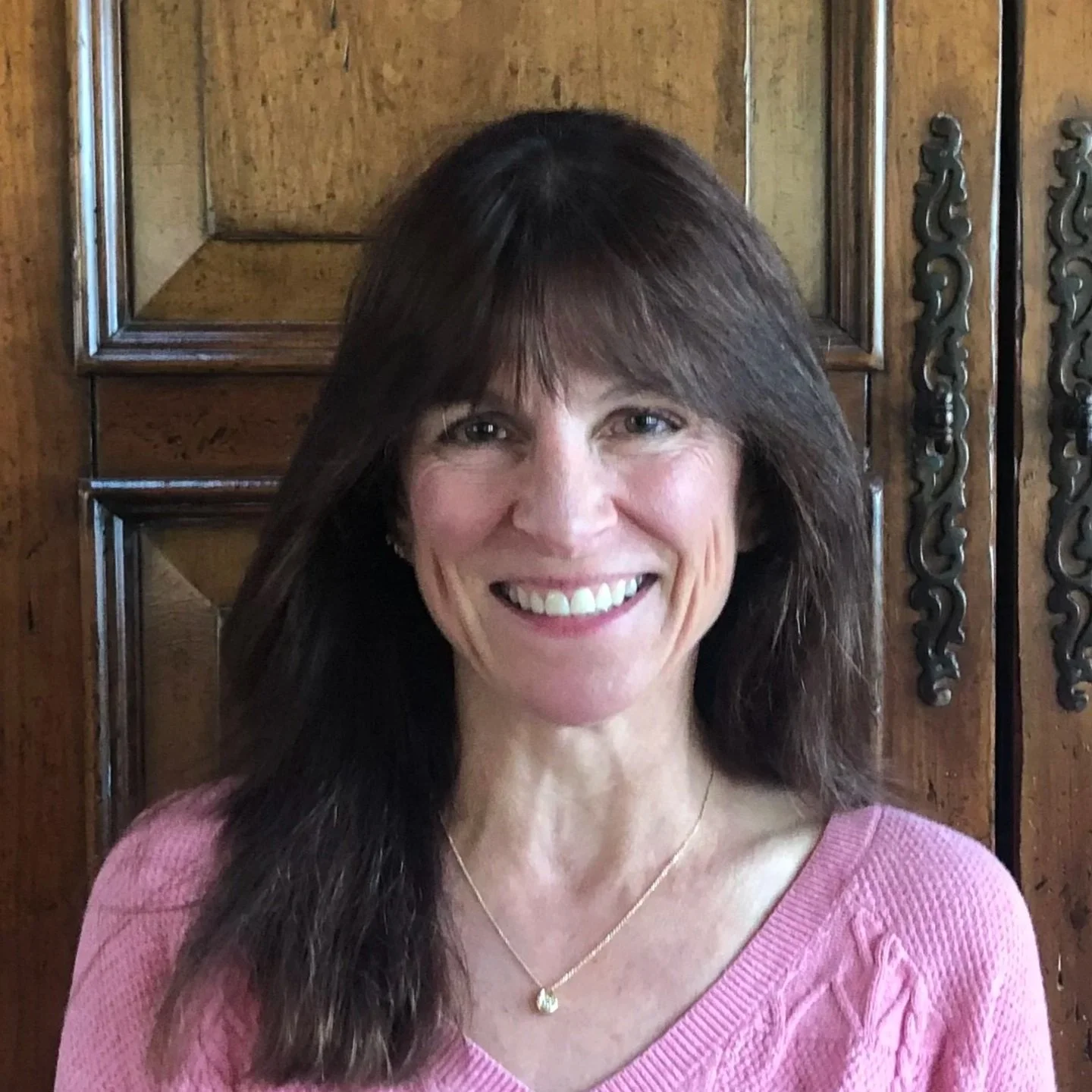
Michelle Pilati
Project Director, Academic Senate for California Community Colleges OER Initiative (OERI) (California, USA)
Briefly describe your background and the perspectives, skills and experiences (lived or professional) you would bring to the Open Education Conference Board of Directors.
I lead a statewide faculty-led initiative to increase OER adoption by any means necessary. We have secured funding to continue our work & support our system's ZTC work. As a faculty leading faculty, I work with peers in a collaborative way to address every challenge faced by OER efforts. Working with 116 colleges leads to diverse experiences, challenges, and solutions. Having worked in this space for 6+ years, it's time to actively engage beyond CA's borders - I have a unique view to share.
Why are you interested in serving on the Open Education Conference Board of Directors, and what makes you a strong candidate?
The OERI came into being by way of a faculty-developed proposal that was funded by our legislature. I've been involved in every aspect of work - from obtaining our funding, determining our structure, developing our OER-development approach, advocating for additional funds, developing resources, supporting our colleges, informing legislation/regulation, and whatever else is needed. As a faculty leader of a statewide effort, I have a wide range of experience that is informed by CA's diversity.
How do you envision the future of the Open Education Conference?
The conference needs to be structured to allow for more engagement. While shorter sessions have a benefit, allowing for discussion and questions is important.The hybrid approach is more costly and leads in-person attendees to opt for in-person sessions - even when the online ones might be more appealing. There should be an emphasis on building community and sharing. Ideally, maximizing the value of being in the same space. There is also a need to ensure all parts of the OER community are served.
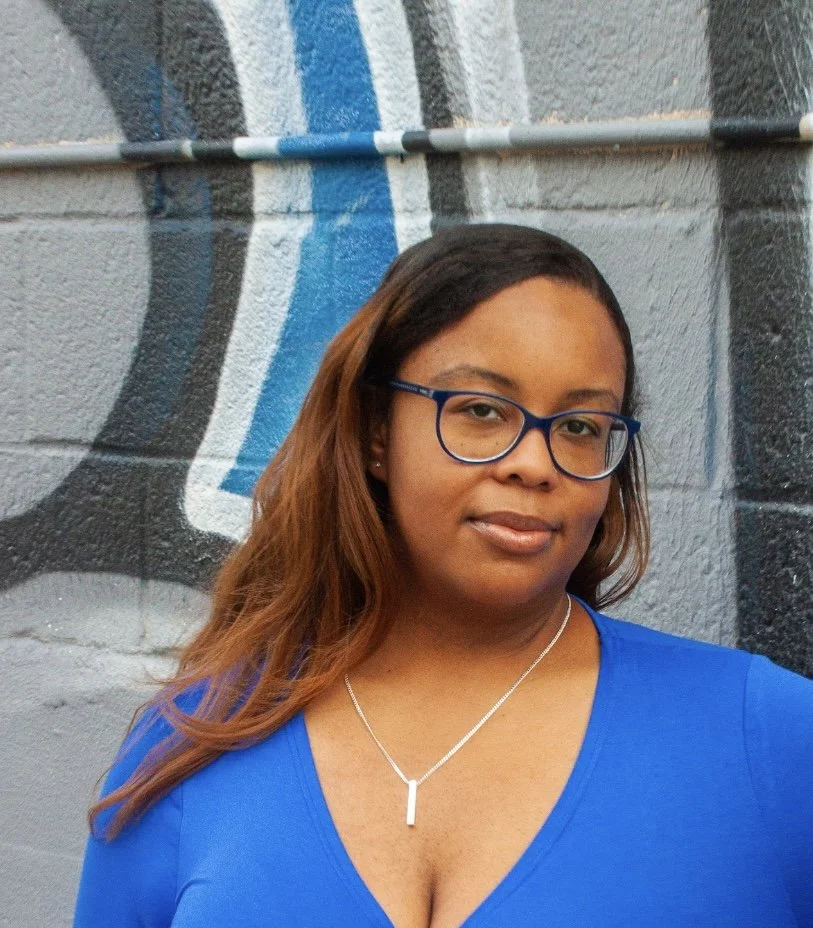
rehshetta wells
Graduate Research Assistant and Educator, University of North Carolina at Greensboro (North Carolina, USA)
Briefly describe your background and the perspectives, skills and experiences (lived or professional) you would bring to the Open Education Conference Board of Directors.
I am a Black queer scholar and educator disrupting exclusion in higher education and carceral spaces through open pedagogy. My dissertation centers the radical care and resistance of Black femme faculty and will culminate with an open educational toolkit for justice-driven pedagogy. I bring a liberatory lens shaped by lived experience, community accountability, and a belief that open education must be a site of collective freedom.
Why are you interested in serving on the Open Education Conference Board of Directors, and what makes you a strong candidate?
I see open education as both a present practice and a future vision. One where knowledge is shared freely, care is reciprocal, and learning transforms communities. My collaborative leadership in academic and community spaces deeply reflects this ethos. Serving on the Advisory Board would allow me to help shape a future where openness becomes a collective act of justice, creativity, and belonging.
How do you envision the future of the Open Education Conference?
The Open Education Conference feels like home—a space where collaboration, care, and curiosity thrive. It’s my favorite conference because people truly show up for one another, connecting across in-person and virtual spaces. I envision its future as one that continues to center DEIA, ethical data practices, and collective imagination. Proving that openness can be both human, transformative, and a model for how the world can learn and thrive together.
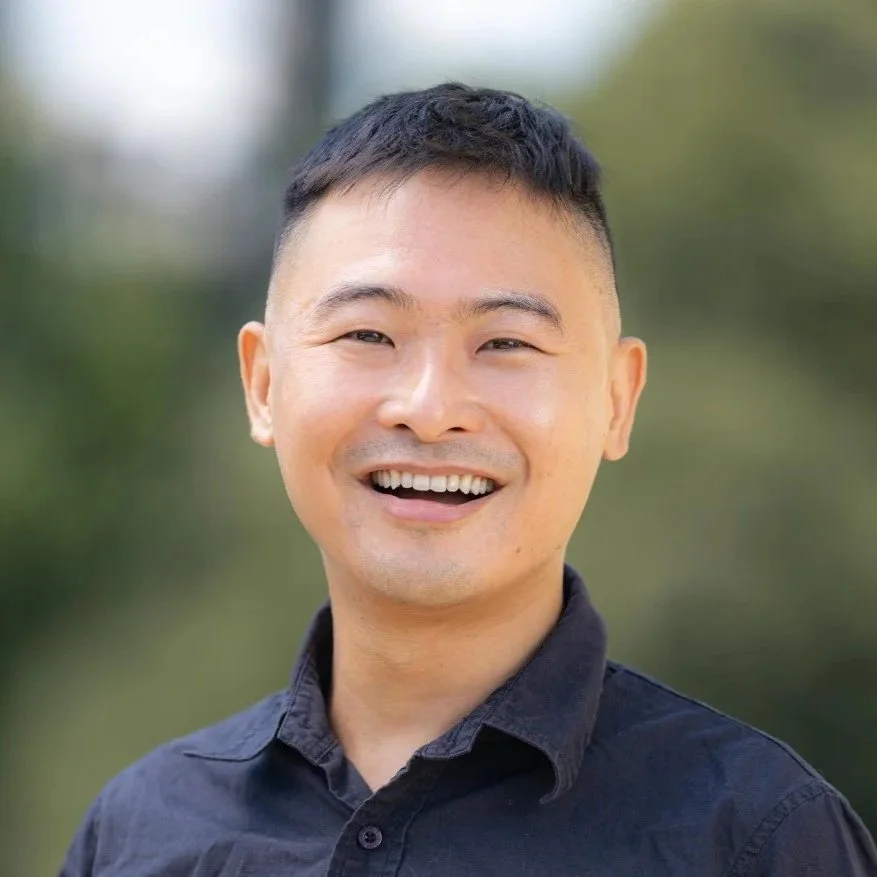
Smee Wong
Doctoral Lecturer, Lehman College, City University of New York (New York, USA)
Briefly describe your background and the perspectives, skills and experiences (lived or professional) you would bring to the Open Education Conference Board of Directors.
I am a music faculty member at CUNY, fully converting courses to OER and developing my own textbook to ensure equitable access. I use inclusive, creative pedagogy—highlighting diverse voices and multimedia projects like Video, Podcast, and Presentation pitches. As an immigrant and LGBTQ+ educator, I bring expertise in curriculum design and digital content to advance student-centered, innovative OER practices.
Why are you interested in serving on the Open Education Conference Board of Directors, and what makes you a strong candidate?
I am interested in serving on the Open Education Conference Advisory Board to help shape the future of accessible and inclusive higher education. I bring experience developing OER, designing creative and multimedia assignments, and mentoring colleagues in open pedagogy, with a focus on equity and student engagement.
How do you envision the future of the Open Education Conference?
I envision the Open Education Conference as an inclusive, innovative space that shares OER best practices, highlights diverse voices, and promotes creative open pedagogy. It can connect educators across disciplines, inspire experimentation with new teaching methods, and advance accessible, student-centered learning that reduces barriers and fosters equity in higher education.
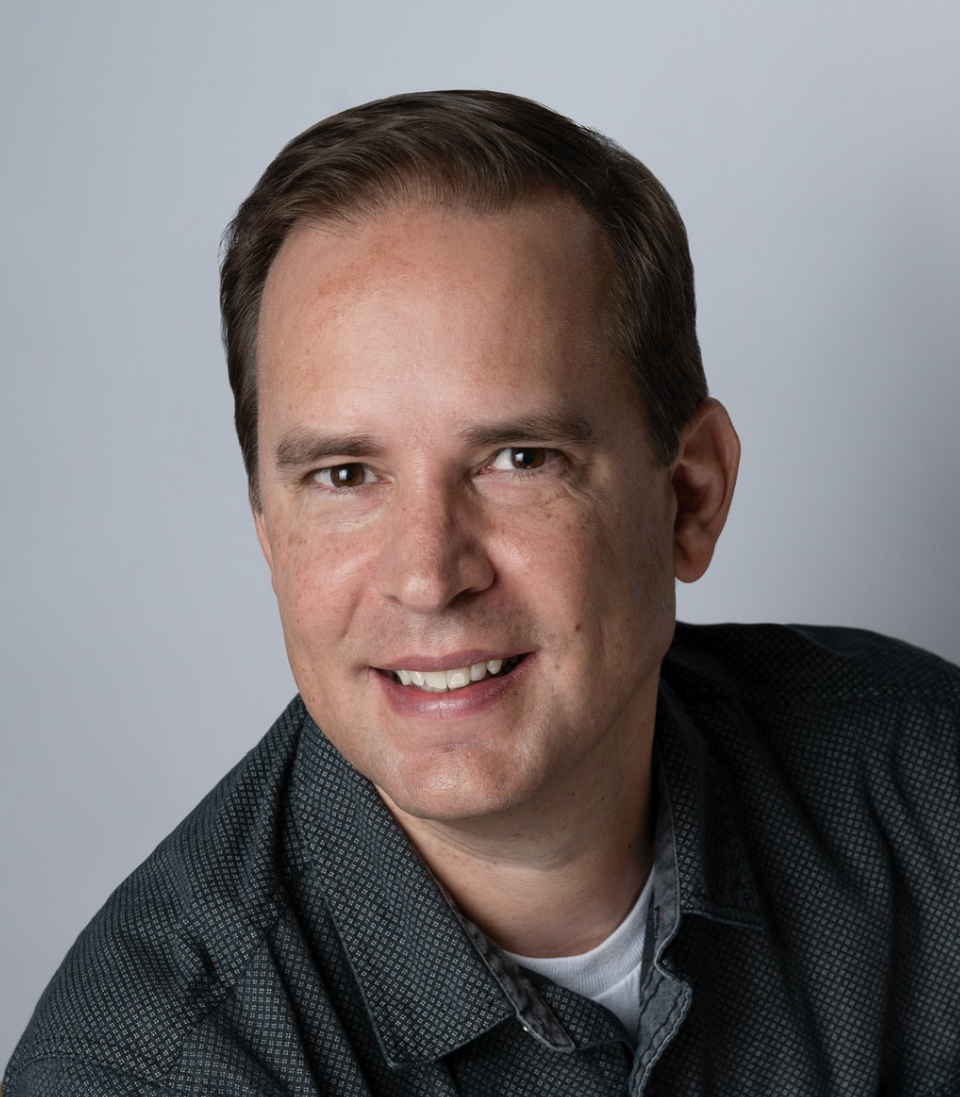
Tom Caswell
Chief Digital Officer, Saylor Academy (Utah, USA)
Briefly describe your background and the perspectives, skills and experiences (lived or professional) you would bring to the Open Education Conference Board of Directors.
I helped organize some of the first Open Education Conferences before my work took me in other directions. Now, as Chief Digital Officer at Saylor Academy, I lead efforts to make college education free and accessible worldwide. I bring a deep commitment to openness, inclusive collaboration, and using technology to expand learning opportunity.
Why are you interested in serving on the Open Education Conference Board of Directors, and what makes you a strong candidate?
The early OpenEd conferences shaped my professional values. After years away, I’ve reconnected through the Open Education Association and rediscovered how vital this community is. I want to help ensure the conference remains open, sustainable, and welcoming—especially for those who, like me, find their way back to open education.
How do you envision the future of the Open Education Conference?
I see the conference as more than an annual event—it’s a community that keeps people connected to open education, no matter their role or career stage. I hope it grows into a year-round network that shares ideas, welcomes newcomers, and amplifies diverse voices driving educational equity and innovation.
Yang Wu
Open Resources Librarian, Clemson University (South Carolina, USA)
Briefly describe your background and the perspectives, skills and experiences (lived or professional) you would bring to the Open Education Conference Board of Directors.
I am a specialized OER librarian with experience in many types of Open Education activities. At my institution I built up an OER stipend and an open pedagogy program and fundraised $100,000 to support them. I actively support OER publishing and received an US Department of Education Open Education Pilot grant in 2021. I am also a part of an initiative to start a statewide OER program and I graduated from the CC License course and multiple SPARC and Open Education Network training programs.
Why are you interested in serving on the Open Education Conference Board of Directors, and what makes you a strong candidate?
I have presented at every OpenEd Conference, virtually or in-person since 2020. I served on the OpenEd Marketing/Communications Committee from 2020-2022, hosted an OpenEd session in 2021 and was a Conference Buddy in 2025. Being a part of OpenEd has been one of the most enriching experiences in my life. I seek to further contribute to the conference and feel that my different roles over the years allows me to provide useful advice in enhancing the conference from many different perspectives.
How do you envision the future of the Open Education Conference?
We are at a time of challenges and opportunities for Open Education. In North America political instability and cuts to higher education challenge the sustainability of Open Education and its focus on educational equity. New technologies offer innovation and pitfalls to OER and its transformative potential, and Open Education is spreading globally. I seek to make OpenEd an inclusive and global forum, with participants from all backgrounds, for finding creative solutions to these challenges.

Ash Barber (Incumbent)
Senior Coordinator, OER Collective, Council of Australasian University Librarians (South Australia, Australia)
Briefly describe your background and the perspectives, skills and experiences (lived or professional) you would bring to the Open Education Conference Board of Directors.
An active leader of the open education community, I believe in equity in lifelong learning and delivering excellence in everything I do. Through values-driven strategic thinking and an aptitude for translating complex issues into persuasive messages, I passionately raise the profile of open education in Australasia and have been honoured to apply these skills while serving as Chair of the OpenEd25 Board of Directors. I value kindness, ethical community collaboration, and the courage to act.
Why are you interested in serving on the Open Education Conference Board of Directors, and what makes you a strong candidate?
I’m dedicated to open education and to this conference. With a consistent track record of showing up and doing the work, the community can be confident in my stewardship and commitment to ensuring all voices are heard, diverse opinions encouraged, and respectful and timely collaboration achieved. My international perspective lends to consideration and recognition of the unique experiences of individuals as valuable expertise to share as we build an empowered legacy for the Conference together.
How do you envision the future of the Open Education Conference?
I see the Open Education Conference continuing to evolve with the needs of the community, deftly guided by open education practitioners and advocates who have their ear to the ground and their heart on their sleeve. The Conference will remain a space for all to collaborate, connect, and learn – and will do so in new ways which navigate unfolding challenges to access and which ensure the field we are building remains robust and grows sustainable.

Brandon Carson (Incumbent)
Sessional Instructor / Doctoral Student, Ontario Tech University (Ontario, Canada)
Briefly describe your background and the perspectives, skills and experiences (lived or professional) you would bring to the Open Education Conference Board of Directors.
I’m a doctoral candidate at Ontario Tech University (OTU) researching Open Educational Practices (OEP), with a focus on policy, pedagogy, and institutional culture in Canadian higher education. With over 15 years in instructional design and educational technology, I’ve supported OER adoption, faculty development, and open pedagogy through roles at eCampusOntario, Durham College, and OTU. I’m also a proud member of the Global OER Graduate Network, connecting with OE researchers around the world.
Why are you interested in serving on the Open Education Conference Board of Directors, and what makes you a strong candidate?
As a former board member, I’m eager to continue contributing to the success and evolution of the Open Education Conference. I bring multiple lenses to this role, as a doctoral student, open education researcher, instructor, and former project manager at eCampusOntario. This unique blend of perspectives helps me advocate for inclusive, research-informed, and practice-based approaches to shaping the future of the conference for all members of the open education community.
How do you envision the future of the Open Education Conference?
I envision a conference that fosters deeper global connections by offering more inclusive scheduling across time zones and expanding opportunities for engagement year-round. Beyond the main conference event, the conference could serve as a hub for continuous community-building, collaboration, and learning. This approach would support open educators everywhere, through sustained dialogue and shared practice.
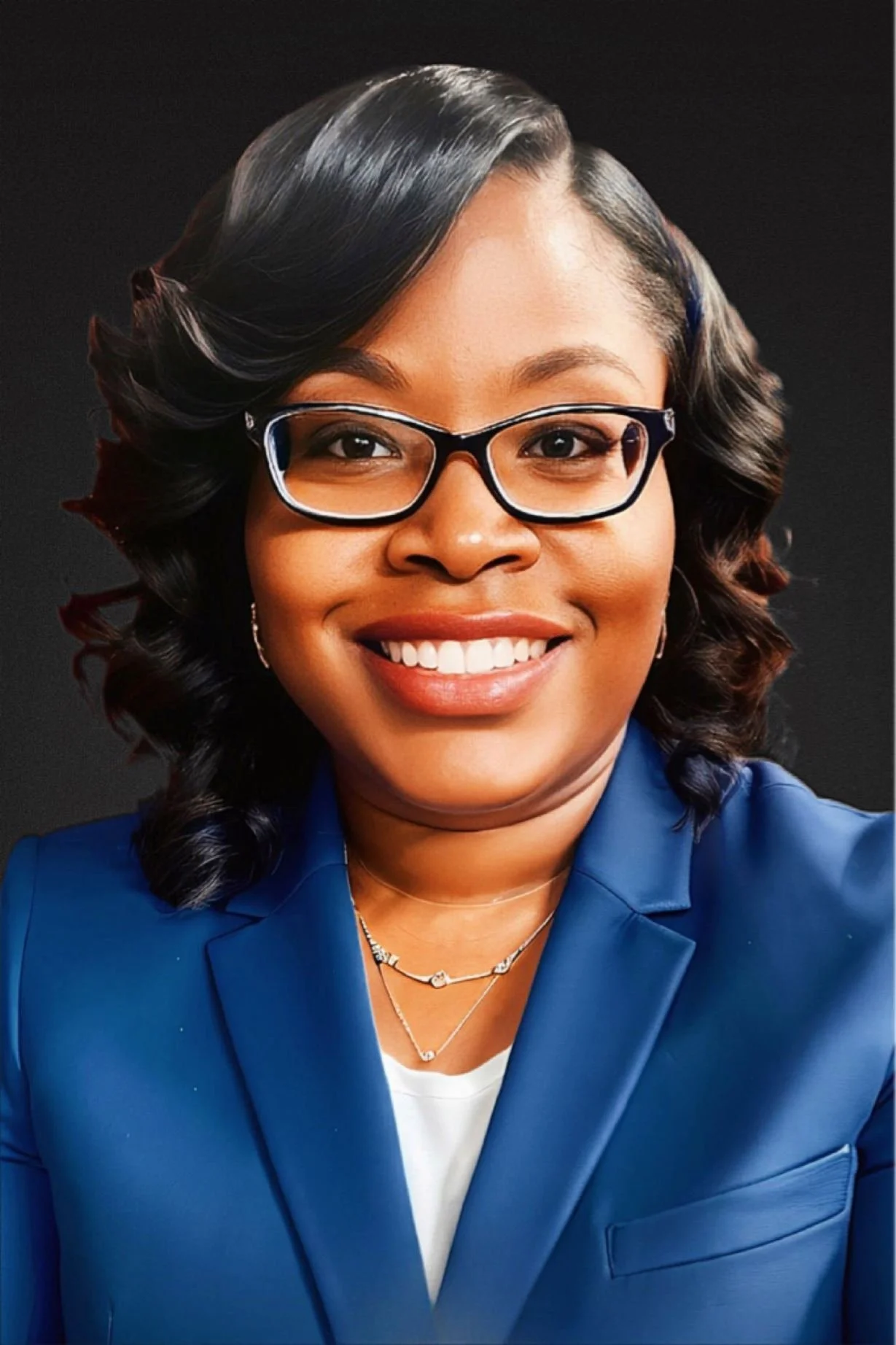
April Crenshaw (Incumbent)
Associate Professor, Chattanooga State Community College (Tennessee, USA)
Briefly describe your background and the perspectives, skills and experiences (lived or professional) you would bring to the Open Education Conference Board of Directors.
I am an Associate Professor of Mathematics at Chattanooga State with 19 years in higher education. I led a $45,000 OER statistics redesign that eliminated textbook costs and increased pass rates, particularly for Black, Hispanic, Pell-eligible, and first-generation students. As a current OpenEd board member who also presents and reviews proposals, I am familiar with the conference structure and bring a community college, equity-focused lens informed by OER and emerging AI work.
Why are you interested in serving on the Open Education Conference Board of Directors, and what makes you a strong candidate?
Serving on the Open Education Conference Advisory Board has deepened my commitment to this community. I want to keep expanding space for community colleges and underrepresented learners. As a board member, I have reviewed proposals and hosted virtual sessions. I have also invited colleagues from Chattanooga State to present. I draw on my community college leadership and OER work. Planning experience from the D2L Steering Committee also helps me keep student impact central.
How do you envision the future of the Open Education Conference?
I see the conference evolving as a hub for open education, one that prioritizes student impact and community voices at its core. I imagine stronger participation from community colleges, HBCUs, tribal colleges, other under-resourced campuses, and international colleagues, with sessions that connect classroom practice to policy and infrastructure. I also hope we build more year-round connections through mentoring and regional gatherings, plus practical support for new practitioners.

BOARD OF DIRECTORS ELECTION
The Open Education Conference Board of Directors was established at the start of 2022 and is comprised of twelve members of the Open Education Conference community. Half of the board seats will rotate each year, allowing for new elections.
For information about how to vote, please visit the Election FAQ page.